
Which Glass Should I Use?
Which Glass Should I Use?
A Considered Guide to Choosing the Right Wine Glass
Selecting the right wine glass should feel intuitive. Yet for many, it feels unnecessarily complex. Red, white, sparkling, universal. Does it truly make a difference? And if so, how much? Yes, glass choice matters. Not because of ceremony, but because design shapes perception. The architecture of a glass guides aroma, structure and balance. When proportion is precise, the wine reveals itself fully. When it is not, nuance can soften or blur. This guide will help you choose with clarity and confidence.
Why Glass Shape Influences Taste
Wine is not flavour alone. It is aroma, acidity, tannin, texture and structure working together. Glass design influences: How aromas concentrate and travel How oxygen interacts with the wine Where wine lands on the palate How alcohol and acidity are perceived. A thoughtfully engineered glass acts as a silent conductor. It does not alter the wine. It allows it to perform as intended.
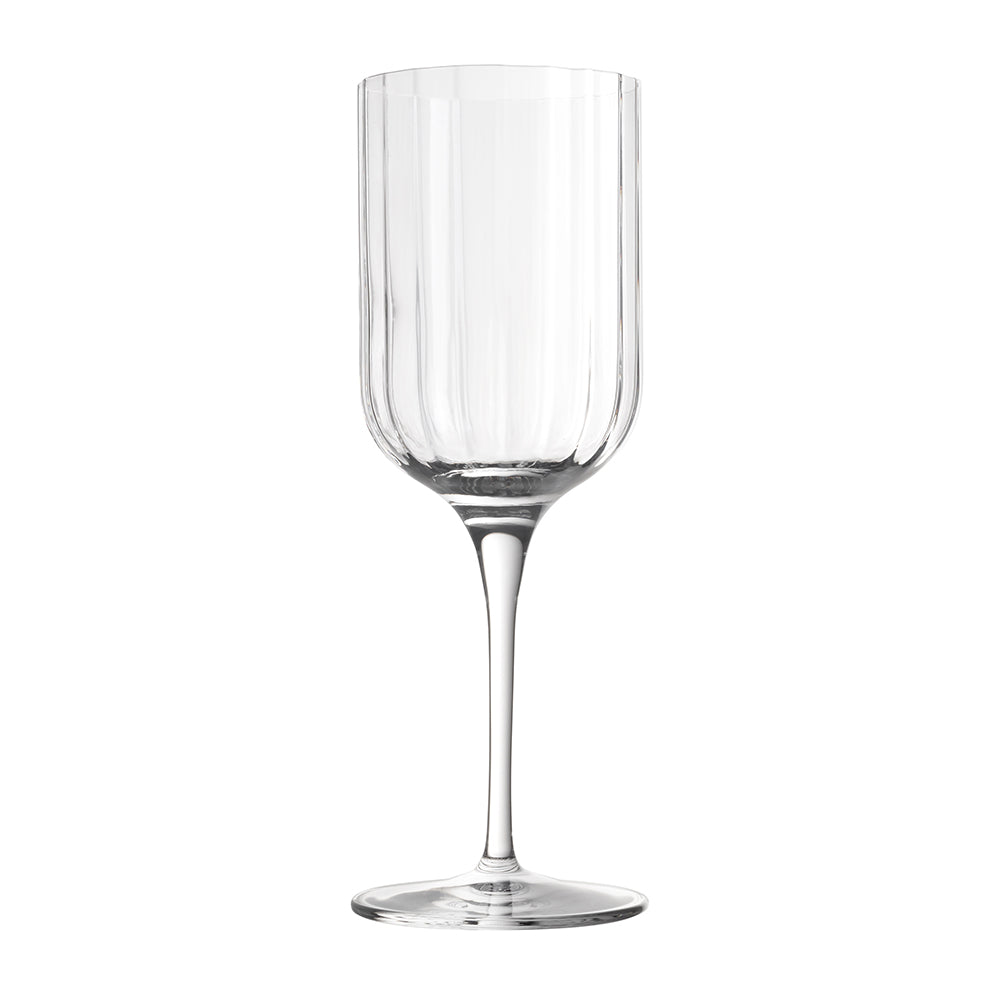
Red Wine Glasses
Designed for Structure and Depth
Key characteristics
- Generous bowl
- Broader opening
- Increased surface area
Why Glass Shape Influences Taste
Red wines often carry tannin, structure and layered aromatics. A larger bowl allows oxygen to soften structure and unlock complexity.
This is where glass design makes the most noticeable difference.
Ideal for structured reds:
- Shiraz, also known as Syrah
- Cabernet Sauvignon
- Merlot
- Malbec
- Tempranillo, also called Tinto Fino
- Sangiovese, the heart of Chianti
- Nebbiolo, known from Barolo and Barbaresco
Ideal for aromatic, lighter reds:
- Pinot Noir, also called Spätburgunder
- Grenache, known as Garnacha
- Gamay
For red wine enthusiasts, a specialist glass is not indulgent. It is transformative. Structure softens. Aromas expand. Balance improves.
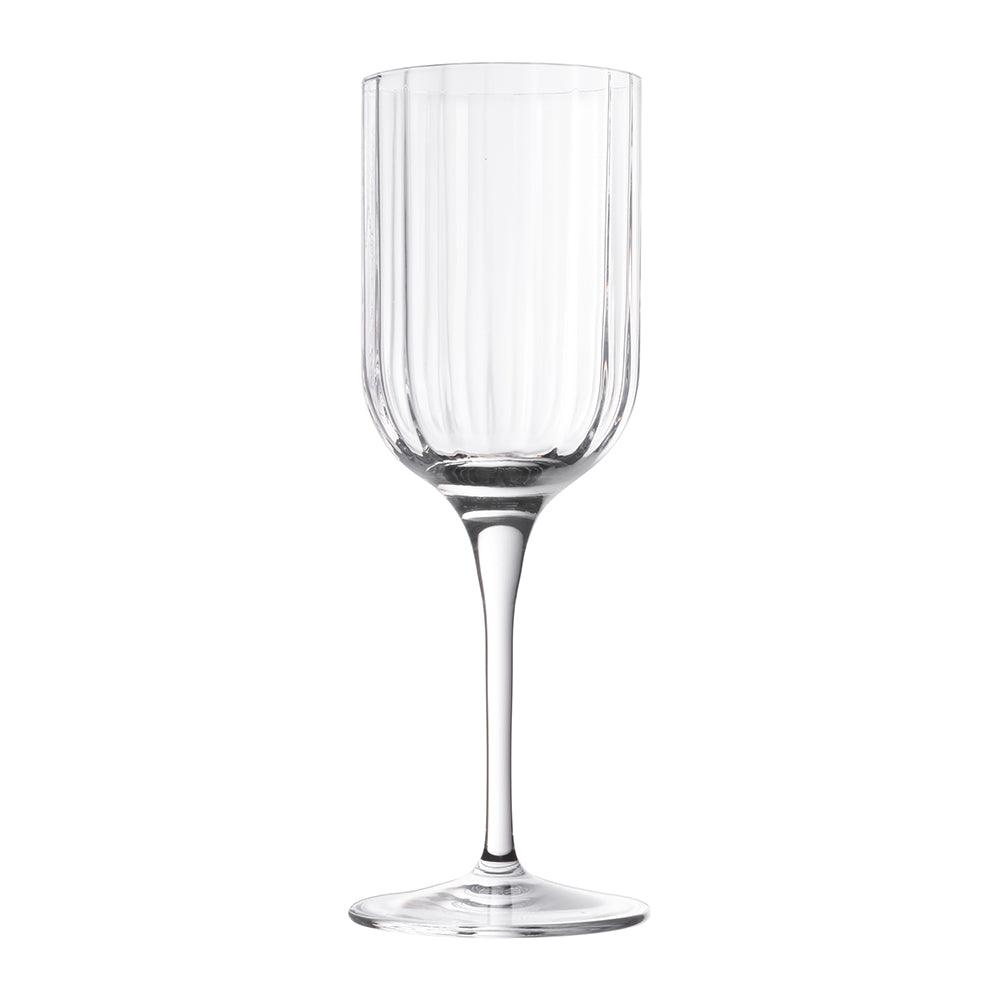
White Wine Glasses
Precision, Freshness and Lift
Key characteristics
- More compact bowl
- Narrower opening
White wines rely on freshness, acidity and aromatic clarity. A smaller bowl preserves cooler temperature while focusing delicate aromatics.
Ideal for vibrant styles:
- Sauvignon Blanc
- Riesling
- Pinot Grigio, known as Pinot Gris
- Albariño, also called Alvarinho
- Grüner Veltliner
Ideal for fuller styles:
- Chardonnay
- Chenin Blanc
- Viognier
- Semillon
A well-designed white wine glass preserves energy and definition. Acidity feels refined rather than sharp. Aromas remain precise rather than diffuse.
Sparkling Wine
Effervescence with Intention
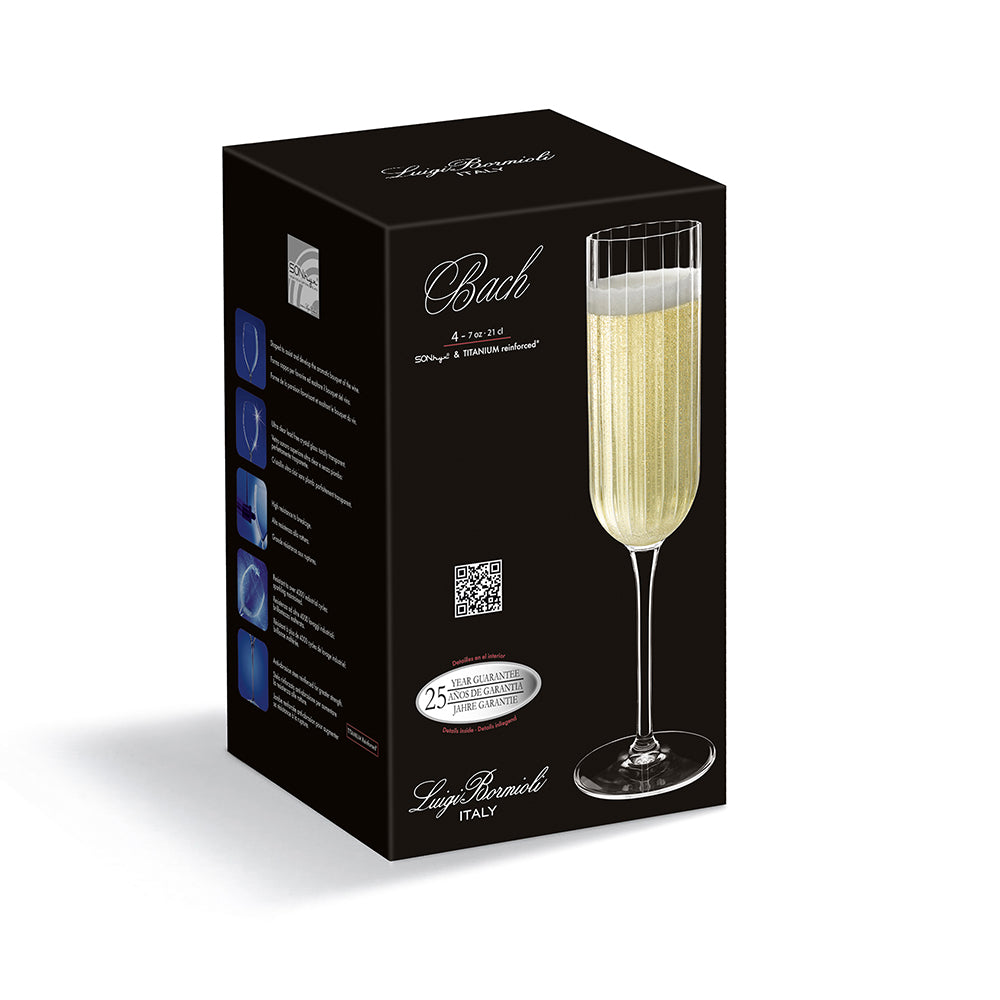
Sparkling wine requires balance between bubble retention and aromatic expression.
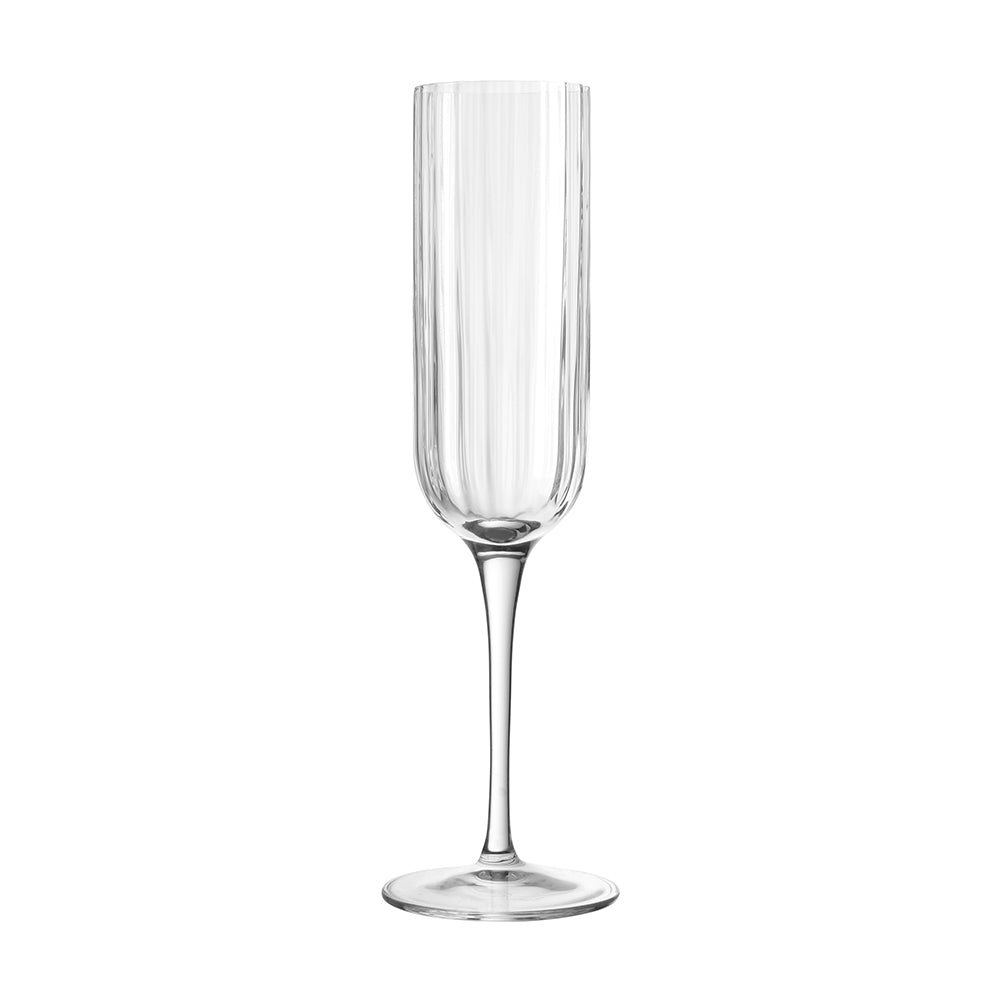
Traditional flutes preserve effervescence effectively. Modern sparkling designs introduce slightly wider bowls to allow aroma to gather while maintaining a narrow rim to protect mousse.
Look for:
- A tapered rim
- Controlled bowl width
- Engineered nucleation points for fine, persistent bubbles
Ideal for:
- Champagne
- Prosecco
- Cava
- Franciacorta
- Sparkling Rosé
- Blanc de Blancs
- Blanc de Noirs
With the right glass, bubbles rise in a steady stream, carrying citrus, brioche or orchard fruit aromas with precision.
Universal Wine Glasses
Versatility with Balance
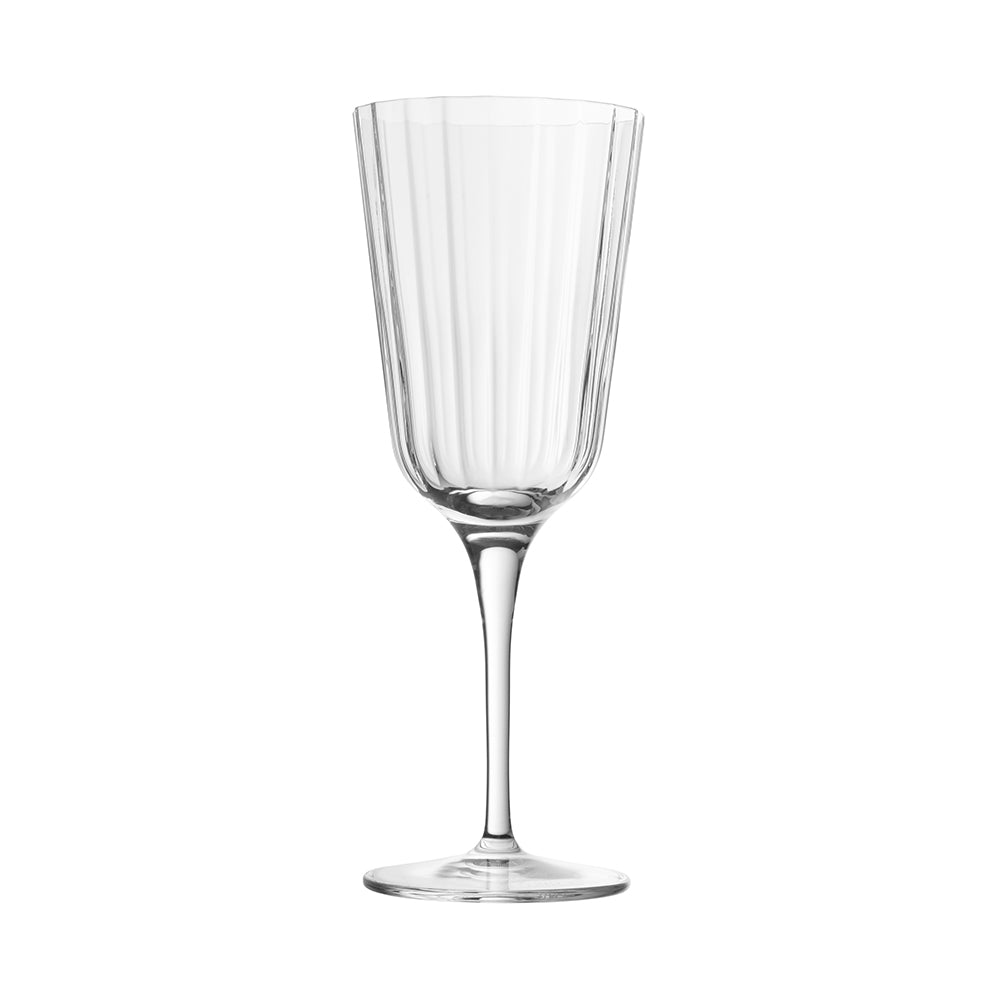
A universal wine glass offers adaptability rather than optimisation.
Its moderate bowl size and gently tapered rim allow it to perform reliably across red, white and lighter sparkling styles. It provides enough oxygen for softer reds and sufficient focus for aromatic whites.
It is well suited to:
- Mixed wine drinkers
- Everyday dining
- Entertaining with varied wines
- Gifting when preferences are unknown
However, it does not fully amplify the nuance of a structured Nebbiolo or isolate the delicacy of a fine Riesling in the way a specialist glass can.
Think of it as a balanced compromise. It enhances enjoyment without requiring multiple glass types. For many households, that measured versatility is both practical and refined.
Discover Universal Wine Glasses
Choosing with Intention
If you regularly drink a particular varietal and appreciate detail, specialist glassware will elevate the experience meaningfully.
If you prefer simplicity and flexibility, a universal glass offers reliable performance across styles.
The goal is not complexity. It is clarity.
When proportion, balance and precision align, the wine speaks naturally.
And that is where true enjoyment begins.